ADVISOR DAILY.
Advisor Daily · Private Advisory · 2027

You've already built the expertise. Now let's take it into companies.

In 2027, Advisor Daily Private Advisory will work with 25 established experts to build high-value, long-term corporate consulting relationships.

You've spent years building your business, developing your expertise and delivering results.

Now it's time to explore what your experience could be worth to companies.

Not another training day.
Not another collection of individual clients.

A small number of valuable, long-term consulting relationships where companies pay for your expertise, judgement and ability to deliver.

25 places. Established experts only.

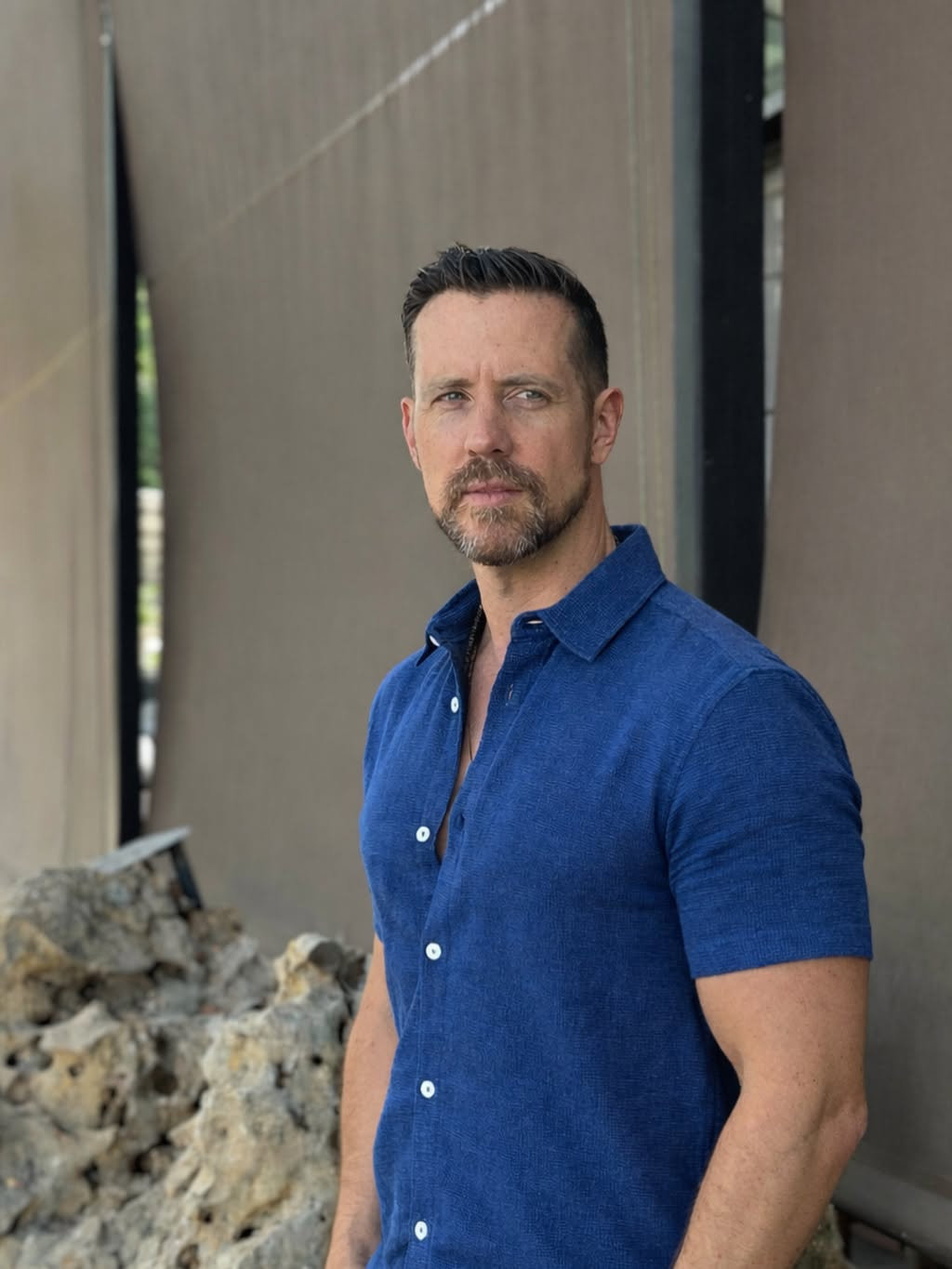
Pete Scott, founder of Advisor Daily
Pete Scott
Founder, Advisor Daily · Leads Private Advisory
For established experts

You've already done the hard part.

This is not about helping beginners become experts. It's about giving proven experts a new commercial application for their experience.

I'm not here to teach you how to become an expert.

You've already spent years doing that.

Perhaps you've built a profitable salon business.

Perhaps you've spent 15 years developing sales teams.

Perhaps you're an exceptional health, fitness or wellbeing specialist.

Perhaps you've created a successful consultancy, agency or service business.

You've got clients, experience and results.

But you've probably spent most of your career selling your expertise in a very particular way.

Individual clients.

Packages.

Programmes.

Sessions.

Projects.

And when you need more revenue, the answer is usually to find more clients.

What if the next chapter of your business wasn't about serving more people?

What if it was about taking the experience you've already developed into a small number of companies where your knowledge could create considerably more value?

A company doesn't necessarily need another full-time employee.

Sometimes it needs an experienced specialist who can see what its existing team cannot.

Somebody who's already solved the problems it's facing.

Somebody who can work alongside its leadership team, provide direction and help create measurable improvements.

That's the position we'll be building towards.

The corporate consulting opportunity

We're not building another business around selling your time.

Traditional service model
  • Individual clients.
  • One-off projects.
  • Workshops.
  • Training days.
  • Repeated client acquisition.
  • Revenue closely connected to delivery time.
Long-term corporate advisory model
  • Fewer, deeper client relationships.
  • Ongoing commercial involvement.
  • Strategic problem-solving.
  • Access to leadership teams.
  • Greater continuity.
  • Value connected to expertise and outcomes.

Think about what happens when you sell a consulting day.

You find the prospect.

Arrange the meeting.

Discuss the requirements.

Write the proposal.

Prepare the work.

Deliver the day.

Send the invoice.

Then you start again.

Even at 3K or 5K per day, you're still dependent on finding somebody willing to buy another day.

Now consider a different relationship.

You become the fractional specialist for a company over six or twelve months.

You understand its operation.

You work with its leadership team.

You identify opportunities for improvement.

You provide strategic direction and help the company implement meaningful changes.

You measure progress.

You adapt.

You become somebody the company relies upon.

The company gets a deeper relationship with an experienced expert. You get the opportunity to build a consulting business around fewer, more valuable clients.

And you don't necessarily need to abandon the business you've already built.

Your existing business may be the very reason a company takes you seriously.

Case study · From Pete Scott's consulting work

One company paid me 215K over two years.

At certain stages of the relationship, I worked around three hours per week.

"You're our insurance."

Before you assume this was some magical consulting arrangement where I turned up for a couple of calls and collected the money, let me explain.

In the beginning, there was a lot of work.

The company had problems with its sales operation.

We needed to understand what was happening, identify the root causes, improve systems and help the people responsible for delivering the results.

It wasn't always comfortable.

Difficult conversations were required.

Changes had to be made.

But as the company improved, something interesting happened.

The amount of work required from me reduced, while my value to the company remained.

After approximately 12 months, I suggested ending the relationship.

We'd achieved the objectives.

The business was performing well.

I didn't think they needed me anymore.

The managing director disagreed.

He told me I was their insurance.

They weren't paying me because I had another training session scheduled.

They were paying because I understood their business.

They trusted my judgement.

And they knew I was available when they needed another perspective.

That's the difference between somebody who delivers a service and somebody who becomes a trusted advisor.

And it's a distinction I've spent more than two decades learning.

Pete Scott's own experience. It illustrates the advisory model and is not a forecast of any member's results.

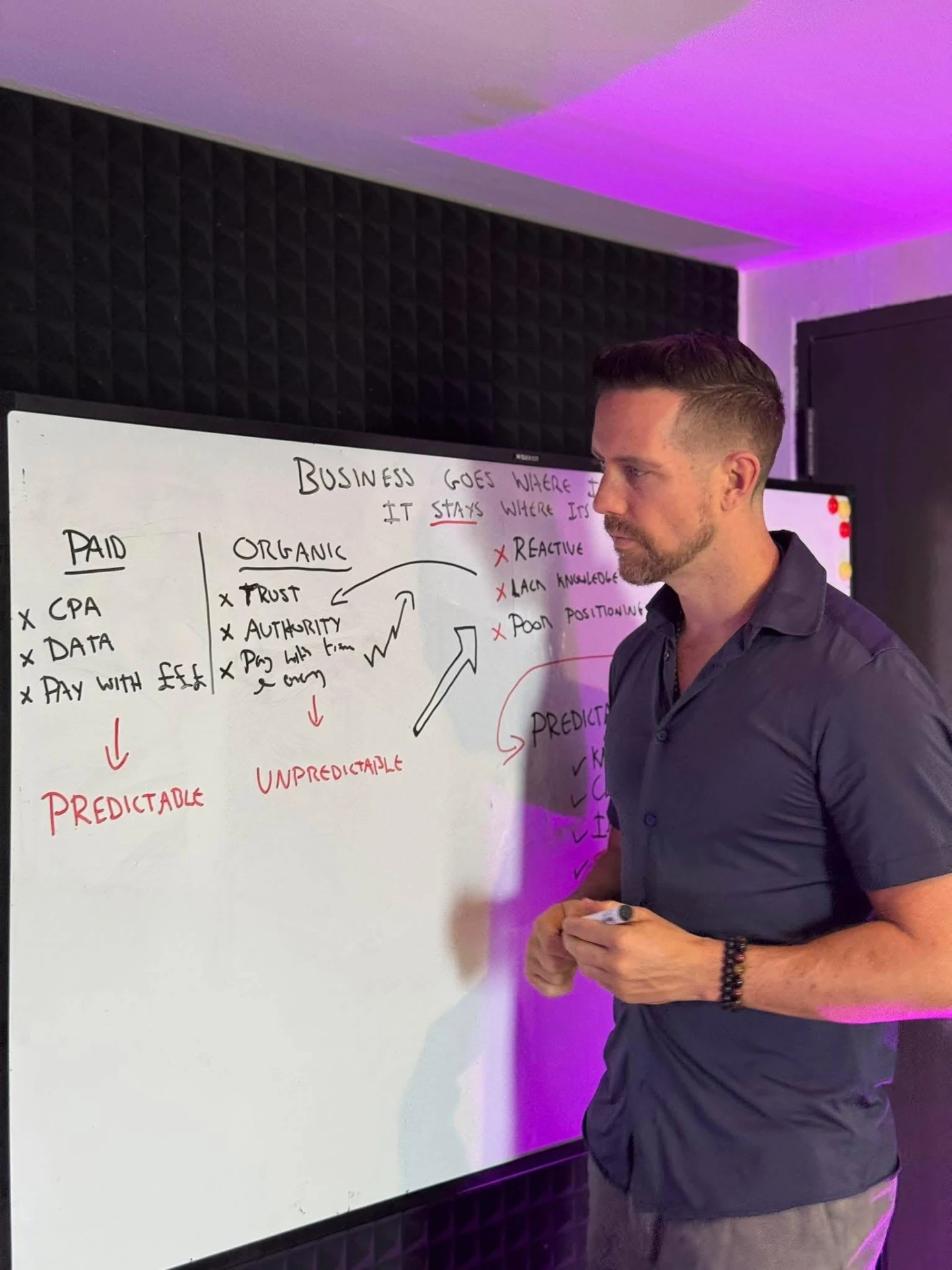
Pete Scott working through a strategy at a whiteboard
Case study · Commercial diagnosis

A 3K training enquiry became a six-figure consulting relationship.

"Do you want sales training or sales results?"

A company once approached me because its sales team hadn't achieved target for six months.

They wanted a couple of days of sales training.

The budget was 3K.

I could have accepted the work, delivered the training and collected the money.

Instead, I started asking questions.

Who was managing the sales team?

How were people recruited?

What happened during onboarding?

How was performance measured?

What support did the sales manager receive?

It quickly became obvious the company didn't simply have a training problem.

It had problems with its sales management, recruitment and wider sales operation.

So I asked:

"Do you want sales training or sales results?"

They wanted results.

The original enquiry became a six-figure consulting relationship.

Not because I was particularly clever at upselling a training package.

Because I understood the difference between what the company asked for and what it actually needed.

This is one of the most valuable skills you can develop as a consultant.

And it takes more than knowing how to deliver your existing service.

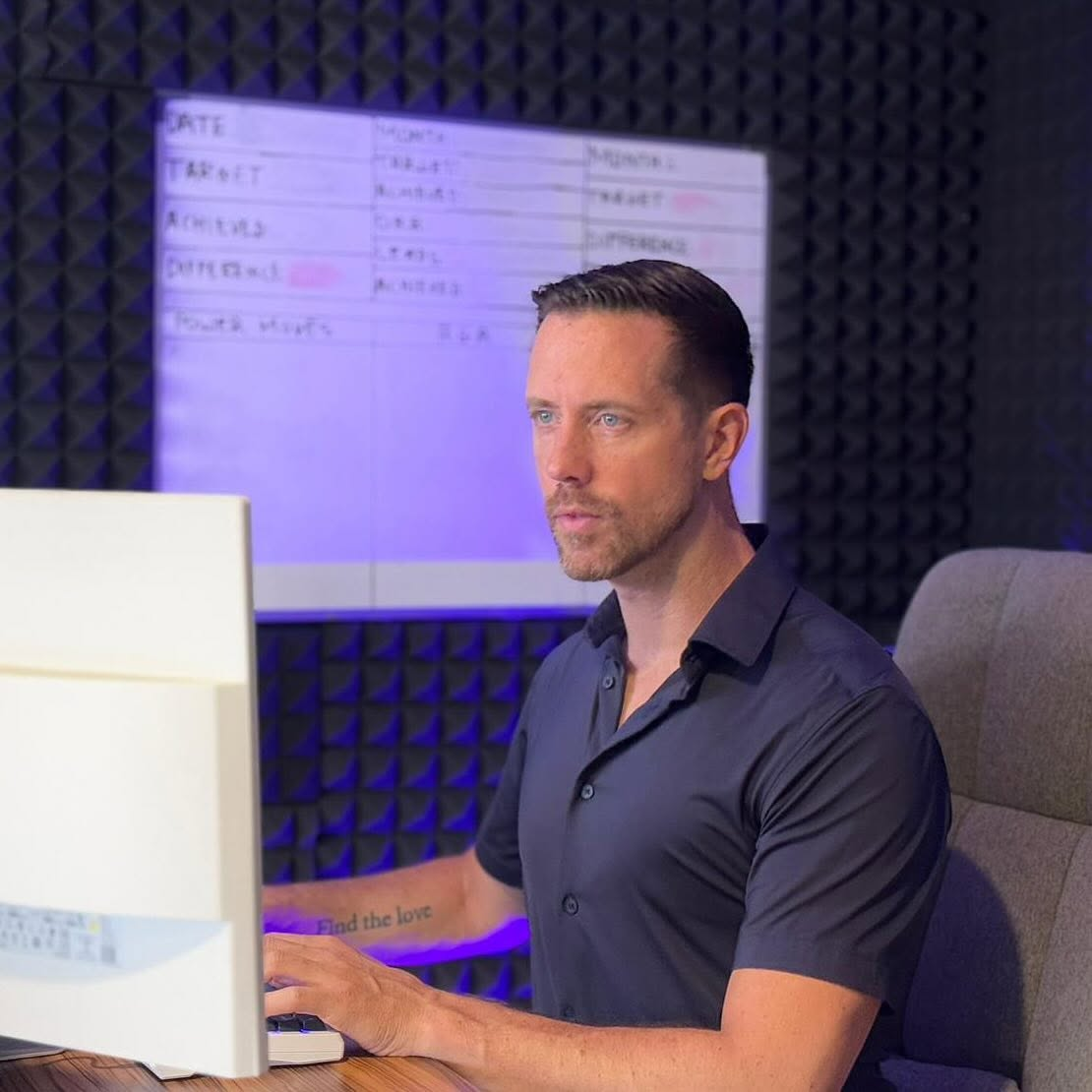
Pete Scott at his desk
The experience behind Private Advisory

20+ years. 500+ companies. Real experience.

From independent businesses to billion-dollar brands, Pete Scott has spent more than two decades helping companies solve commercial problems, improve performance and build valuable consulting relationships.

Pete Scott

Founder, Advisor Daily

Why work with me?

I've been consulting since 2010.

More than 500 companies have trusted me to help them improve their sales and commercial performance.

I've worked internationally with billion-dollar brands.

I've installed sales methodologies across teams of 1,000 people.

I've travelled to more than 30 countries in a single year on consulting assignments.

I've been paid six figures by individual companies.

And I've worked with leadership teams facing problems that couldn't be solved by another motivational workshop.

I don't have an MBA.

I don't have a business degree.

I don't have a formal consulting qualification.

I built my consulting career by understanding problems, developing commercial solutions and delivering work companies were willing to pay for.

I've also made plenty of mistakes.

I've lost clients.

I've made poor commercial decisions.

I've underestimated difficult situations.

And I've learned how quickly a consulting relationship can deteriorate when trust disappears.

I wrote Confessions of a Consultant to share the experiences, lessons and realities of this work.

In 2027, I'm bringing everything I've learned into a much smaller, more focused group of established experts.

The work

What we'll work on together.

Six workstreams, built around your business, your expertise and the commercial opportunity in front of you.

01
Workstream 01

Your corporate consulting proposition

We'll examine the expertise you've developed, the results you've achieved and the problems you're qualified to solve.

We'll identify where your experience creates the greatest value.

And we'll develop a proposition built around meaningful business outcomes, rather than a list of sessions, workshops or deliverables.

The objective is simple.

When a company asks what you do, you'll be able to explain why your expertise matters to its business.

Identify:
  • Your strongest areas of expertise.
  • The results you've already delivered.
  • The business problems you're qualified to solve.
  • Industries where your experience is relevant.
  • The commercial value of your expertise.
  • How to position yourself as a specialist.
02
Workstream 02

Market and company research

Not every company is a suitable prospect.

We'll identify the industries, types of businesses and commercial situations where your expertise is most relevant.

We'll look at the problems those companies are likely to face.

We'll research potential opportunities and the people responsible for making decisions.

We'll narrow your focus instead of encouraging you to market yourself to everybody.

Because a highly relevant conversation with the right managing director can be worth considerably more than months of attracting the wrong audience.

Identify:
  • Relevant industries.
  • Suitable company sizes.
  • Commercial situations where your expertise matters.
  • Potential target companies.
  • Decision-makers.
  • Relevant business challenges.
  • Market opportunities.
03
Workstream 03

Lead generation and initial campaigns

This will be a major part of our work.

We'll help develop your prospect data.

We'll identify companies and decision-makers.

We'll build a targeted approach to reaching the right people.

We'll work on your messaging, campaign structure and the practical steps required to get your initial activity moving.

And we'll use AI where it genuinely helps with research, organisation and efficiency.

During the first 90 days, we'll work together to develop your consulting proposition, research your market, build relevant prospect data and prepare your initial campaign.

This is not a done-for-you outreach agency.

I won't be taking over your prospect conversations or managing your sales pipeline on your behalf.

You'll own your outreach, relationships and contracts.

My role is to help you approach the market with a much stronger strategy, better information and fewer unnecessary obstacles.

Work together on:
  • Prospect identification.
  • Building relevant prospect data.
  • Researching decision-makers.
  • Developing outreach positioning.
  • Campaign messaging.
  • Initial campaign preparation.
  • Launch support.
  • Reviewing early market feedback.

This is collaborative strategic and initial implementation support. It is not ongoing done-for-you outreach. You own your prospecting, sales activity and company relationships.

04
Workstream 04

Winning company relationships

Finding the right companies is only part of the work.

You'll need to understand what matters to their decision-makers.

You'll need to ask better questions.

You'll need to identify the real problem.

You'll need to explain your expertise in commercial terms.

And you'll need to structure a relationship where both parties understand the objectives, responsibilities and value involved.

We'll work on your sales conversations, consulting proposals, pricing strategy and how you present yourself as a credible advisor.

Not by teaching you tricks to pressure a company into buying.

By helping you become somebody worth hiring.

Work on:
  • Understanding company problems.
  • Discovery conversations.
  • Commercial diagnosis.
  • Proposal structure.
  • Pricing strategy.
  • Decision-maker communication.
  • Negotiating scope.
  • Establishing clear expectations.
05
Workstream 05

Becoming the trusted fractional expert

Winning a contract is the beginning.

Delivering the work is what creates your reputation.

We'll look at how you structure your consulting relationships, establish expectations, communicate with leadership teams and provide ongoing value.

We'll also look at how you protect your time.

Because the objective isn't to replace a successful existing business with a consulting business that demands every hour of your week.

You're building a role where you're paid for your expertise, judgement and contribution, not simply your availability.

Cover:
  • Engagement objectives.
  • Working with leadership teams.
  • Communication and reporting.
  • Demonstrating progress.
  • Protecting delivery capacity.
  • Setting boundaries.
  • Maintaining trust.
  • Identifying opportunities for ongoing contribution.
06
Workstream 06

Ongoing private advisory

Your business won't stop presenting challenges once your initial strategy is complete.

You'll have conversations to prepare for.

Proposals to review.

Decisions to make.

Potential clients to assess.

Problems you haven't encountered before.

I'll be there to help you think through those decisions, challenge your assumptions and improve your approach.

I've spent more than two decades learning how companies buy consulting, what makes relationships succeed and why some fall apart.

You'll have access to that experience as you build your own corporate consulting business.

Support may include:
  • Reviewing important commercial decisions.
  • Discussing prospect opportunities.
  • Improving consulting proposals.
  • Evaluating potential engagements.
  • Preparing for difficult conversations.
  • Reviewing positioning and campaigns.
  • Solving unexpected challenges.
The roadmap

The first 90 days.

We're going to do the work, not spend three months talking about doing the work.

  1. Days 1–30
    Positioning
    • Review the existing business.
    • Identify proven expertise.
    • Define relevant company problems.
    • Develop the consulting proposition.
    • Identify suitable corporate markets.
  2. Days 31–60
    Research
    • Research target industries.
    • Identify relevant companies.
    • Develop prospect data.
    • Research decision-makers.
    • Prepare messaging and campaign strategy.
  3. Days 61–90
    Market activity
    • Prepare initial campaigns.
    • Support launch activity.
    • Review conversations and feedback.
    • Refine positioning.
    • Identify next commercial priorities.

This is a working framework, not a fixed timetable. The exact work depends on your experience, market and existing business, and nobody can promise a contract within 90 days.

25

people. Carefully selected.

This is not an online course with hundreds of participants.

This is not an open-access membership.

This is not a large coaching community.

The model is designed around a small number of established experts receiving meaningful strategic attention. Members may come from different industries. The quality standard remains consistent.

Selection prioritises
  • Demonstrable expertise.
  • Real client results.
  • Commercial maturity.
  • Professional integrity.
  • Willingness to take action.
  • Capacity to deliver.
  • Commitment to building valuable company relationships.
The value of a small network

Belonging to a small group of established specialists brings exposure to other experienced business owners, different commercial perspectives and, where it makes sense, the potential for relevant introductions and collaborations within a growing advisory ecosystem.

Advisor Daily's publication and directory may offer additional visibility in future. No enquiries, referrals, media coverage or introductions are promised.

You don't need a huge audience.

I've consulted for companies around the world without becoming an internet celebrity.

I've worked with billion-dollar brands without needing thousands of people to like my latest social media post.

And I've had companies pay me significant amounts because they trusted my ability to help them solve a problem.

A managing director doesn't necessarily care how many followers you have.

They care whether you understand the business.

Whether you've got relevant experience.

Whether you can deliver.

And whether they can trust you.

We're going to focus on the companies where your expertise matters.

Not spend the year trying to become famous on LinkedIn.

The investment
8K

The transaction currency and complete commercial terms are confirmed during the application process.

Why this is different from a course.

You are not paying for content to consume. The value is the quality of the strategic relationship and the practical work. You're investing in:

  • Experienced commercial judgement.
  • Personalised strategic direction.
  • Consulting positioning.
  • Market research and prospect development.
  • Initial campaign support.
  • Sales and proposal guidance.
  • Ongoing private advisory.

Is this for you?

This is for you if
  • You've already built a successful business or substantial professional track record.
  • You can demonstrate real results.
  • You've developed expertise companies could benefit from.
  • You're ready to explore corporate consulting.
  • You're willing to conduct outreach and take commercial action.
  • You value long-term client relationships.
  • You're serious about delivering results.
This is not for you if
  • You're just starting your business.
  • You haven't developed demonstrable expertise.
  • You're looking for guaranteed consulting contracts.
  • You expect someone else to do all your sales activity.
  • You want a passive-income scheme.
  • You're looking for another course to consume without taking action.

You don't need to have won a corporate consulting contract before. But you do need something worth bringing into the room.

Before you apply.

Do I need previous corporate consulting experience?+

No. You need established expertise, a credible track record and the ability to deliver meaningful results. We'll work on how you translate your existing experience into a corporate consulting proposition.

Do I need to leave my existing business?+

No. For many people, their current business is the strongest evidence of their expertise. We'll look at how consulting fits alongside their existing responsibilities and ambitions.

Will Advisor Daily find consulting clients for me?+

The advisory includes market research, prospect development, lead-generation strategy and initial campaign support. Members remain responsible for their own outreach and client relationships.

Are consulting contracts guaranteed?+

No. Nobody can responsibly guarantee a company will hire you. The objective is to improve your positioning, approach and commercial execution while helping you identify and pursue suitable opportunities.

Is this a course or group coaching programme?+

No. It's a premium advisory relationship for a small group of established experts.

How many places are available?+

The advisory is limited to 25 carefully selected members in 2027.

What happens after the first 90 days?+

The initial 90 days establish the proposition, market strategy and early activity. Ongoing support follows the agreed advisory arrangement.

What is the investment?+

8K, with the transaction currency and complete commercial terms confirmed during the application process.

How do I apply?+

Complete the Private Advisory application. Applications are reviewed for suitability before any next steps are agreed.

Your next chapter doesn't need another 100 clients.

It might need a small number of exceptional company relationships.

You've spent years building your expertise.

Now let's explore what it could mean to bring that experience into companies.

Applications are reviewed for suitability. No payment is taken when you apply.